

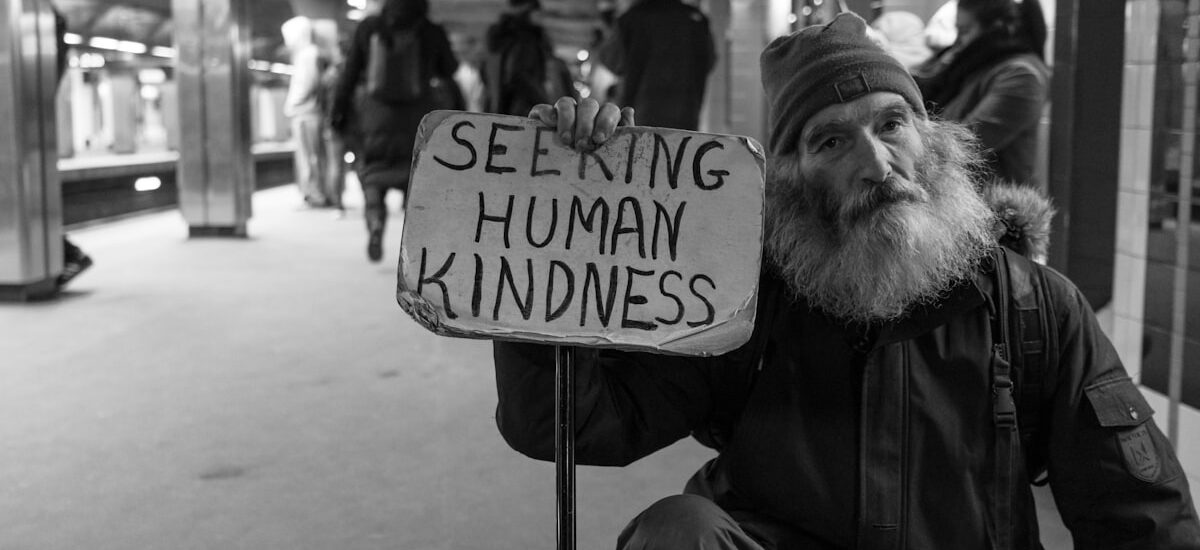
Rough sleeping is one of the most visible and severe forms of homelessness. It refers to people sleeping outside, in doorways, parks, bus stations, or any other open space that was not designed for habitation. In Brighton and Hove, rough sleeping has been a persistent and growing challenge — one that Seaside CIC is working hard to address.
What Does Rough Sleeping Mean?
Rough sleeping is defined as sleeping, or bedding down, in the open air (such as on the streets, in tents, doorways, parks, bus shelters or encampments). It also includes people in buildings or other places not designed for habitation — including stairwells, barns, sheds, car parks, cars, derelict boats, or stations.
It is important to understand that rough sleeping is not a lifestyle choice. It is the result of complex personal, social, and economic circumstances including:
- Loss of employment and inability to afford rent
- Relationship breakdown or domestic violence
- Mental health problems
- Substance misuse issues
- Leaving care, prison, or the armed forces without adequate housing support
- Eviction with no support network or savings
Rough Sleeping in Brighton and Hove
Brighton and Hove has one of the highest rates of rough sleeping in England outside of London. The city’s mild coastal climate, well-developed support services, and reputation as a tolerant and inclusive city attracts people from across the country who are experiencing homelessness.
According to annual rough sleeping counts, Brighton and Hove consistently records over 100 people sleeping rough on any given night — though the actual number of people who experience rough sleeping over the course of a year is significantly higher.
The Health Impact of Sleeping Rough
Sleeping rough has devastating consequences for a person’s physical and mental health. People who sleep rough face:
- Higher rates of physical illness — exposure to cold, damp, and unsafe conditions increases risk of respiratory illness, skin conditions, and infections
- Mental health deterioration — the stress, isolation, and trauma of rough sleeping can worsen existing mental health conditions and create new ones
- Shorter life expectancy — the average age of death for a rough sleeper is just 47 years old, compared to 77 for the general population
- Increased risk of violence — rough sleepers are frequently victims of assault, theft, and abuse
How Seaside CIC Helps People Who Are Sleeping Rough
Seaside CIC provides frontline support for people experiencing rough sleeping in Brighton and the surrounding area. Our services include:
- Outreach work — our team goes out to where people are sleeping to build relationships, assess needs, and connect people to support
- Supported accommodation — we provide safe housing with on-site support to help people stabilise their lives
- Comprehensive needs support — we work with people to address the full range of issues they face, from benefits to health to relationships
- Partnership working — we work alongside other organisations including the local authority, NHS, and other charities to provide joined-up care
What Can You Do to Help?
If you see someone sleeping rough in Brighton, you can report it through StreetLink (www.streetlink.org.uk) — a free service that connects rough sleepers to local support. You can also support organisations like Seaside CIC that provide direct services to people experiencing homelessness.
Rough sleeping is not inevitable. With the right support at the right time, people can and do move off the streets and rebuild their lives. That is what motivates the work of Seaside CIC every day.